VIP Smiles Family Dentistry Syracuse, UT

VIP Smiles Dental

385-316-6386
  • Dental Services
    • Cosmetic Dentistry
      • Teeth Whitening
      • GLO Teeth Whitening
      • Dental Crowns
      • Dental Veneers
      • Cosmetic Dental Bonding
    • Restorative Dentistry
      • Dental Fillings
      • Dental Implants
      • Root Canals
      • Gum Disease
      • Tooth Extractions
      • Wisdom Teeth Removal
    • Family Dentistry
      • Dental Cleanings And Examinations
      • Dental Sealants
      • Second Opinion Dental Consultation
    • Orthodontics
      • SureSmile
      • Traditional Braces
    • Emergency Dental Care
    • VIP’s Newest Dental Technology
      • Air Abrasion
      • CariVu Infrared Cavity Detection
      • CEREC Same-Day Dental Crowns
      • DIAGNOdent Laser Cavity Detection
      • Digital Dental X-Rays
      • GLO Teeth Whitening
      • Laser Dentistry
      • Sleep Apnea Treatments
  • Patient Portal
    • Financing
  • VIP Savings Plan
  • Smile Gallery
  • Our Practice
    • Meet Our Dentists
    • Meet Our Team
    • Office Tour
    • Blog
  • Reviews
  • Contact
  • Giveaway
    • Sponsorship

Good vs. Bad Veneers: What You Need to Know

Home | Dentist Syracuse Utah | Page 6

A dazzling smile isn’t just an indicator of good health; it can also boost your confidence and make you feel good. In your quest to achieve a gorgeous smile, you may have considered cosmetic dentistry solutions such as veneers. However, not all veneers are created equal. While good veneers can provide life-changing benefits, bad veneers can cause all sorts of issues, from aesthetic concerns to oral health issues.

At VIP Smiles, we believe in empowering our patients to make informed decisions about their smile’s aesthetics and their overall oral health. In this blog post, we’ll help you understand the key differences between good and bad veneers by comparing their materials, craftsmanship, aesthetics, and longevity to ensure you know what to look for when selecting cosmetic dentistry solutions.
VIP Smiles Family Dentistry Syracuse, UT Dental Veneers

What Are Dental Veneers?

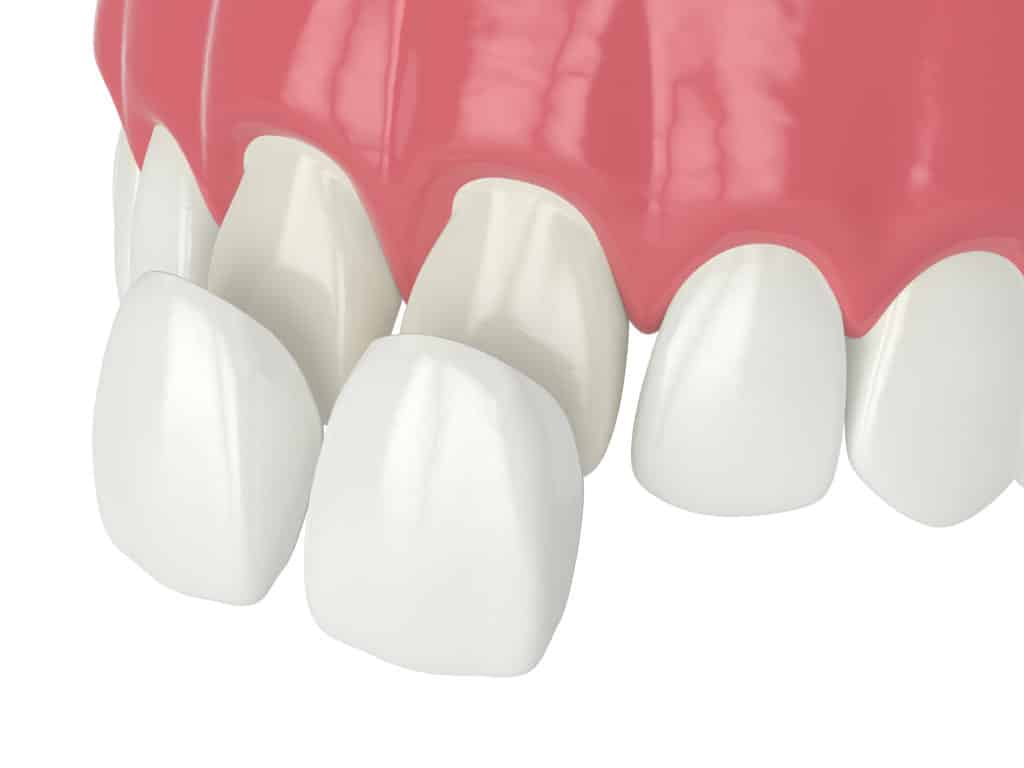
Before we get into the details of good vs. bad veneers, let’s take a closer look at what exactly dental veneers are. Dental veneers are thin shells of material — usually porcelain or composite resin — that are bonded to the front surface of the teeth to improve their appearance. Done correctly, veneers should brighten the smile, hide discoloration, cover minor imperfections, and make the teeth appear straighter and more uniform.

Characteristics of Good vs. Bad Veneers

Materials

Good veneers are made from premium porcelain or high-grade composite resin materials. This gives them strength, stain resistance, and a completely natural appearance. Bad veneers, on the other hand, often use cheap composites and substandard resin that chip, break, or stain easily. 

Fit

When it comes to fit, quality veneers are unmatched. Veneers should be tailored to perfectly fit your unique teeth, creating a natural appearance. Skilled dental professionals use advanced imaging technology to ensure a precise fit. 

A sign of bad veneers is when they’re either too bulky or too thin, resulting in an unnatural look. Aesthetics aren’t the only problem with ill-fitting veneers — gaps between the veneers and the gum line can trap food, leading to decay. 
white teeth desirable Syracuse UT

Aesthetic Appeal

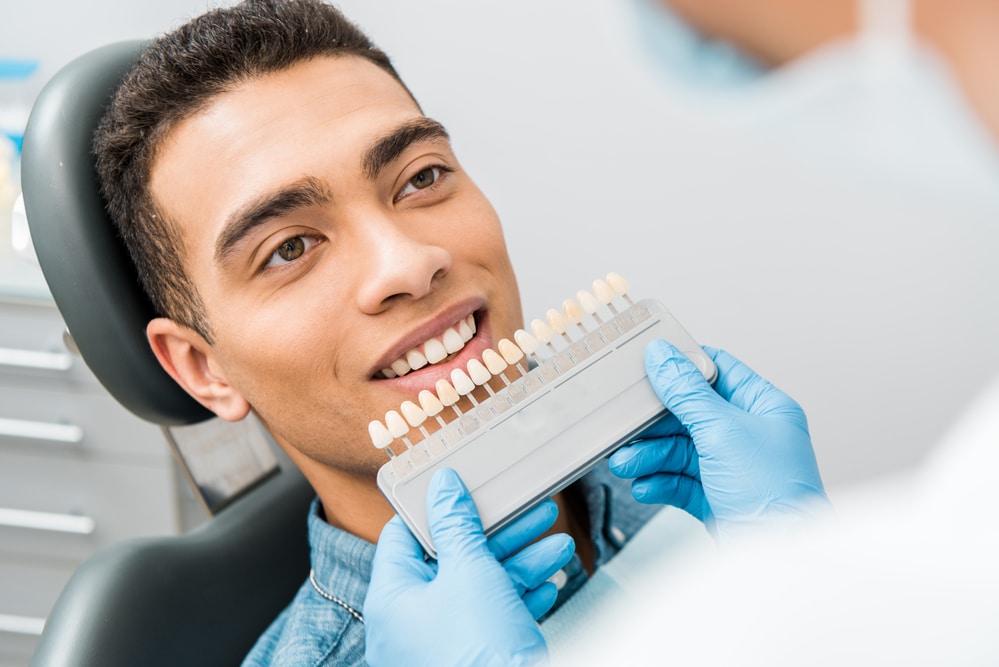
In your quest to achieve the optimal smile, it’s important to remember that truly “perfect” teeth with no variation in shape and an unnaturally white color don’t look natural. Rather than a cookie-cutter smile that looks artificial, you still want to look like yourself, just enhanced. 

With that in mind, quality veneers have a smooth, lifelike texture that mimics real teeth. They are carefully matched to the color of the surrounding teeth, creating a seamless blend and making the veneers virtually undetectable. Bad veneers have an uneven color or texture or may appear to opaque, shiny, or fake. 

Longevity and Durability

With proper care, well-made veneers can last 10–15 years or more. They can withstand biting and chewing forces, allowing you to eat your favorite foods without worrying about damage. Conversely, bad veneers may last only five years or less, requiring frequent replacements. They come with an increased risk of cracking, chipping, or detaching from the surface of the tooth. 

Comfort and Health

Good veneers should feel natural in your mouth, like nothing’s there. Gum irritation, tooth sensitivity, and decay around the gumline are signs of bad veneers that do not fit properly or are not securely bonded.

How to Ensure You Get Good Veneers
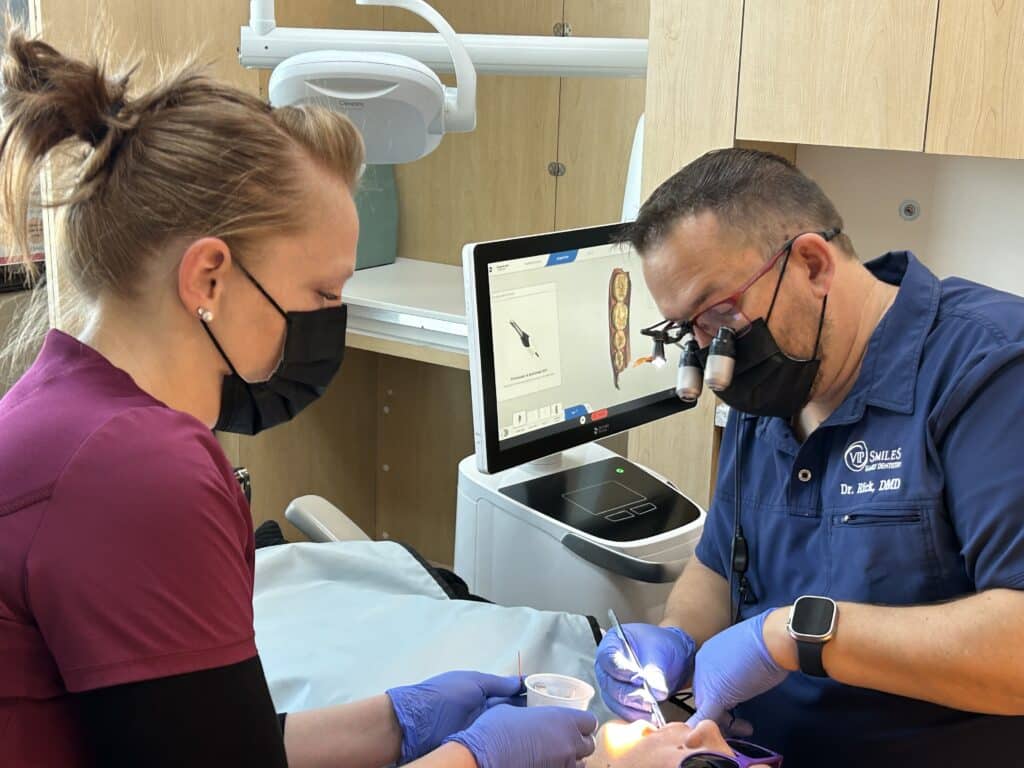
dentist in Syracuse, UT / good vs. bad veneers

As you consider your options, look for a dentist with specialized training and extensive experience in cosmetic dentistry. They should work with a reputable dental lab that uses high-quality materials, along with skilled technicians, to craft natural-looking veneers.

A good dentist will provide a thorough consultation in which they assess your oral health and whether you’re a good candidate for veneers. During this consultation, closely examine before-and-after photos of previous patients to ensure their veneers look natural and discuss your aesthetic goals to ensure the dentist can meet your expectations. 

Quality veneers typically come with a higher price tag, but it’s essential to understand that cutting corners can lead to higher long-term expenses and put your oral health at risk. Bad veneers can lead to frequent repairs and replacements, along with tooth decay and irritation. By investing in premium materials and expert craftsmanship, you can save yourself a lot of money — and pain — in the long run.

Avoid Bad Veneers at VIP Smiles

VIP Smiles is your trusted cosmetic dentist. Our highly trained team of dental professionals has helped countless patients discover more confident, beautiful smiles with quality veneers. Take a look at our smile gallery — the results speak for themselves! 

Investing in high-quality veneers is worth the time and money to get it right. Contact us today to learn more about how we can enhance your smile.
Filed Under: Dentist Syracuse Utah

Achieving and maintaining a healthy smile requires consistent care and close attention. While regular dental hygiene practices like brushing and flossing are essential, they may not be enough to prevent cavities, especially in hard-to-reach areas. 

Fortunately, dental sealants offer an additional layer of protection, making them an incredibly valuable part of preventative dental care. Keep reading to explore what dental sealants are, how they work, and why they’re a great option for anyone looking to maintain optimal oral health. 

What Are Dental Sealants?

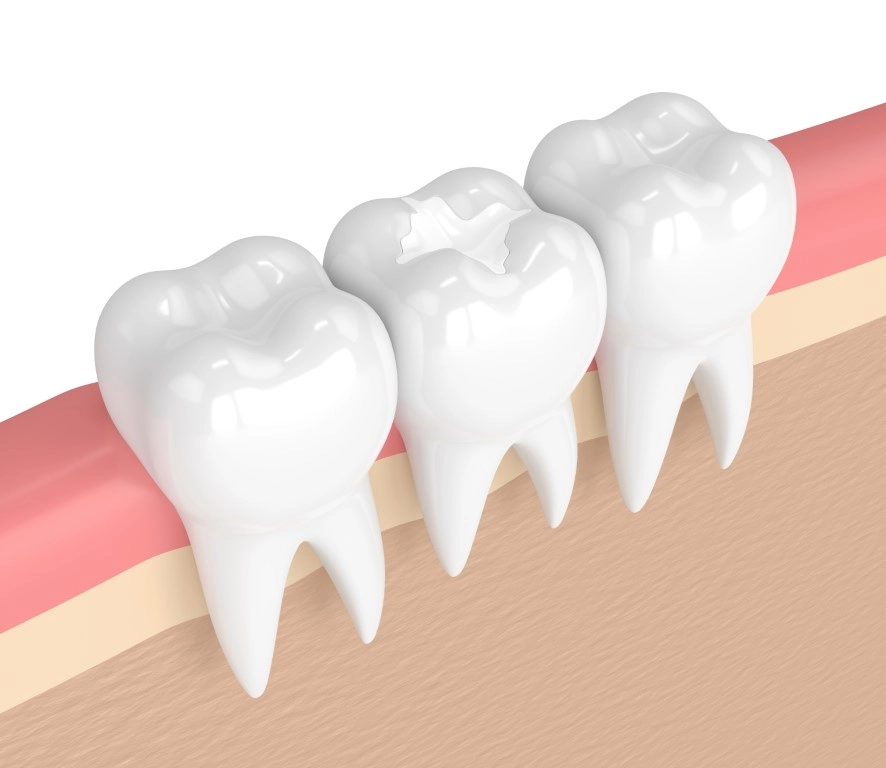
Dental sealants are thin, protective coatings applied to the chewing surfaces of the molars and premolars. These surfaces have grooves and pits that can easily trap bacteria and food particles, making them especially prone to cavities. Sealants create a smooth, protective barrier, preventing these particles from getting trapped and causing decay.

Dental Sealants: Everything You Should Know

How Do Sealants Work?

Applying dental sealants is quick and painless. First, the dentist or hygienist thoroughly cleans the teeth to remove any food particles or plaque. Next, they dry the teeth and place an absorbent material around them to keep the area dry during the procedure.

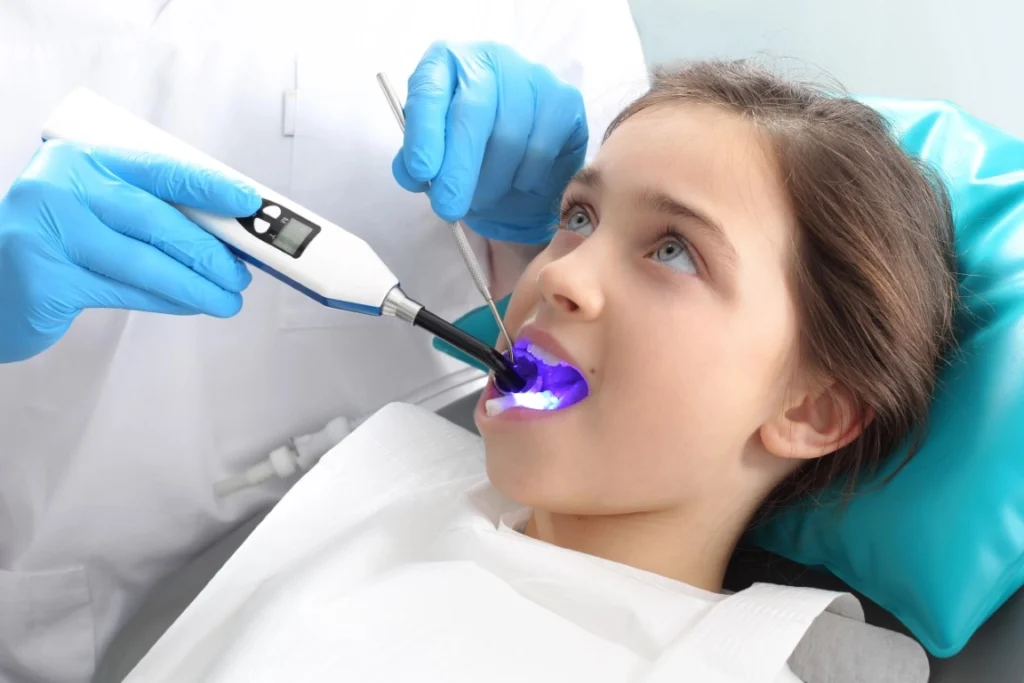
After that, they’ll apply an acidic solution to the chewing surfaces. The solution roughens the surface of the teeth, helping create a strong bond with the sealant. Then the teeth are rinsed and dried once more. Finally, it’s time to paint the sealant material onto the tooth enamel, where it bonds directly to the tooth. Sometimes, the dentist uses a special curing light to speed up the hardening process.

Who Can Benefit from Dental Sealants?

Dental sealants are an excellent choice for almost anyone, from children to adults.

Dental Sealants: Everything You Should Know

Children and Teenagers

The risk of developing cavities is higher once the permanent molars come in, which usually occurs around the age of six. Because of this, dental sealants are most commonly associated with children and teens. Applying sealants as soon as the permanent molars erupt can protect them during their most cavity-prone years.

Adults

While kids and teens are the most likely candidates for dental sealants, adults can also benefit from them. Adults without fillings or decay in their molars can have sealants applied to these teeth to protect them from future cavities.

Those with Deep Grooves and Pits

Individuals who naturally have deep grooves and pits in their molars are more susceptible to cavities. Sealants provide a protective barrier against decay, making them especially beneficial for these individuals.

The Benefits of Dental Sealants

Dental sealants come with an array of advantages, including:

Preventing Cavities

The primary benefit of dental sealants is cavity prevention. By sealing the grooves and pits in the molars, they block food particles and bacteria from getting trapped, significantly reducing the risk of tooth decay.

Cost-Effective

When it comes to preventative measures, sealants are a cost-effective option compared to the expense of treating cavities and other issues related to decay. Investing in sealants can save money, time, and pain in the long run.

Painless and Non-Invasive

Applying dental sealants is painless and non-invasive. Since there’s no drilling or removal of tooth structure, it’s a simple, stress-free experience for patients of all ages.

Long-Lasting Protection

With proper care, dental sealants can last for many years. Regular dental check-ups allow the dentist to monitor the sealants’ condition and reapply them if necessary, ensuring continued cavity protection.

dental bonding Syracuse UT

Caring for Your Sealants

Even after dental sealants are applied, it’s still important to maintain good oral hygiene. To ensure your sealants to last as long as possible, follow these simple tips:

  • Brush twice a day: Use a soft-bristled toothbrush and fluoride toothpaste to clean all surfaces of your teeth —including the sealed molars — at least twice a day.
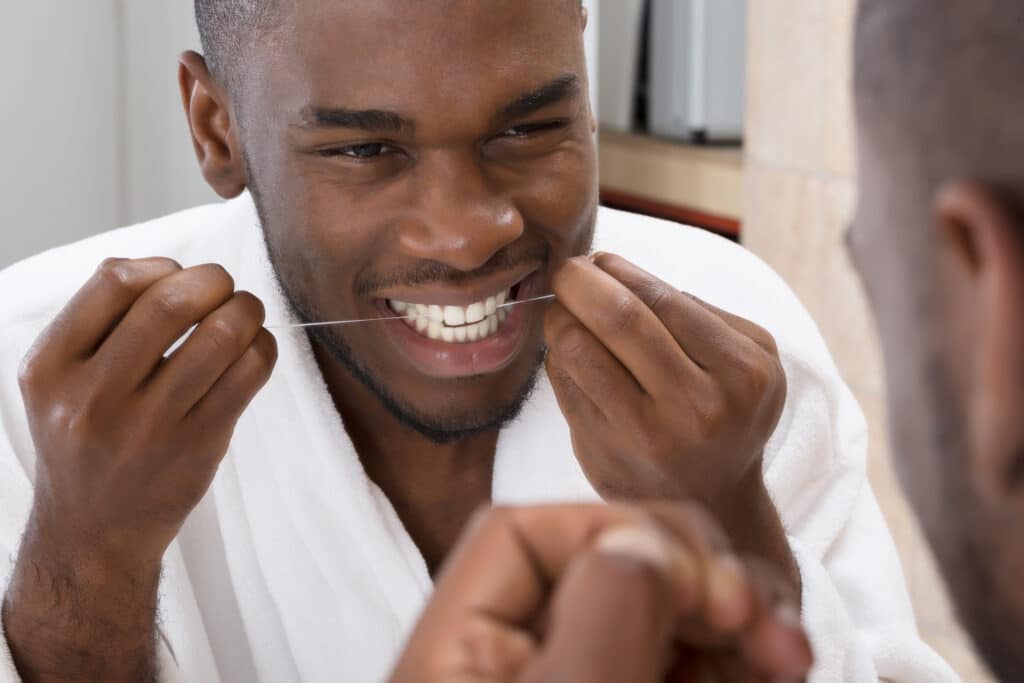
  • Floss daily: Floss between each of your teeth each day to remove stubborn plaque and food particles your toothbrush can’t reach.
  • Regular dental visits: Seek regular check-ups and cleanings with your dentist. 
  • Avoid chewing hard foods: Chewing on especially hard foods or objects like ice or pen caps can damage dental sealants. Be mindful of what you chew to preserve their longevity.

Protect Your Smile

At VIP Smiles, we believe in the power of dental sealants to protect your teeth from cavities and decay. Whether you’re a parent who wants to safeguard your child’s dental health or an adult looking to prevent cavities, sealants are a simple and cost-effective solution.

If you’re ready to take proactive steps toward ensuring a lifetime of healthy, happy smiles, schedule an appointment with us today to learn more about how sealants can benefit you and your family.

Filed Under: Dentist Syracuse Utah

oral cancer screen Syracuse UT

Both cold sores and canker sores are common oral health issues that can interfere with essential activities like speaking and eating. Fortunately, laser dentistry advancements have made treating these uncomfortable sores more efficient and less painful. 

At VIP Smiles, we’re proud to utilize the very best in dental technology to give our patients the high-quality care they deserve, which includes treating cold sores and canker sores. In this blog post, we’ll discuss what exactly these sores are, what causes them, and how laser dentistry can provide quick and effective relief.

The Difference Between Cold Sores and Canker Sores

While cold sores and canker sores may seem similar at first glance, they have key differences that set them apart. Understanding these differences is key to providing effective treatment.

Cold Sores

cold sore

Cold sores, also known as fever blisters, occur due to the herpes simplex virus and can be triggered by sun exposure, illness, stress, or a weakened immune system. These highly contagious, blister-like lesions usually appear on the lips or around the mouth and cause symptoms such as burning and itching.

Traditional cold sore treatments include topical creams, antiviral medications, and over-the-counter ointments. Rather than eliminating the underlying virus, these treatments aim to reduce the outbreak’s duration and severity. Cold compresses and pain relievers can also help to alleviate discomfort. 

Canker Sores

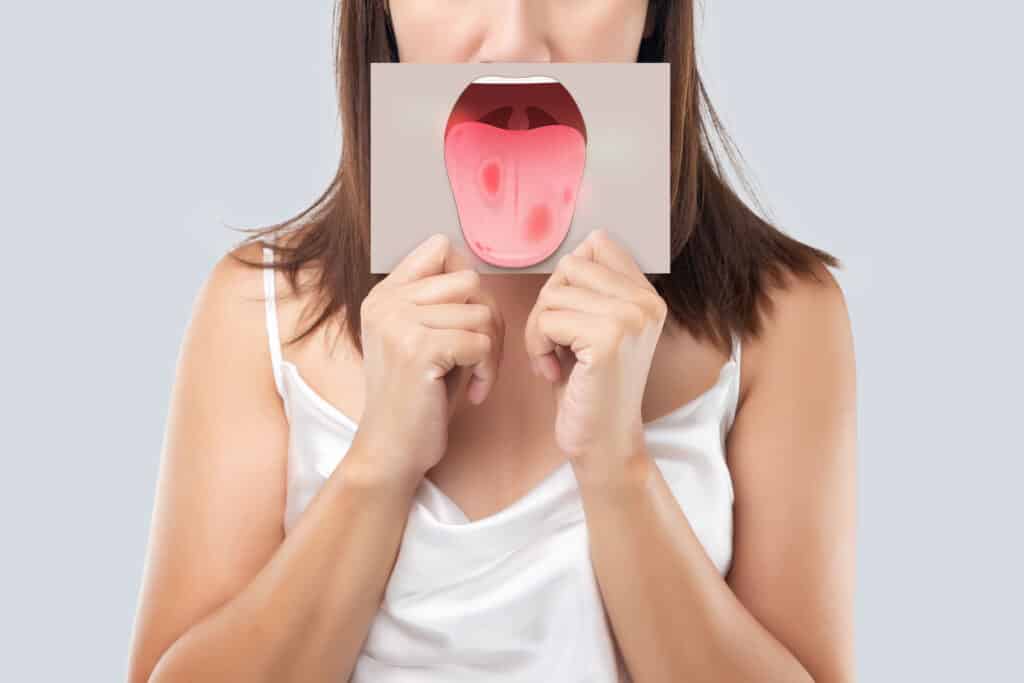
While the exact cause of canker sores is unclear, they are not caused by a virus, nor are they contagious. These small, painful ulcers develop inside the mouth on the gums, cheeks, or tongue, causing a tingling or burning sensation and developing into a painful, white or red sore. They are often linked to minor mouth injuries, eating spicy or acidic foods, chronic stress, and certain underlying health conditions.

Canker sore treatments typically involve mouth rinses, over-the-counter pain relief gels, and corticosteroid ointments. In especially severe cases, prescription medications can reduce pain and inflammation.

How Laser Dentistry Treats Cold Sores and Canker Sores

Laser dentistry is an innovative tool that uses focused beams of light energy to treat a wide variety of dental and oral conditions. Compared to traditional surgical methods, dental lasers are more precise and less invasive, providing faster healing times, a reduced risk of infection, and less pain.

Treating Cold Sores

To treat cold sores, dental lasers target the virus causing the sore by penetrating the skin and destroying the viral particles. Like traditional treatments, this method reduces the outbreak’s severity and duration; however, it also provides immediate pain relief by reducing inflammation,  and regular treatment can also decrease the chances of the sore coming back.

Treating Canker Sores

When it comes to canker sores, laser treatment works by removing the affected tissue and sterilizing the area, which reduces the risk of secondary infection, stimulates blood flow, and accelerates the healing process. The treatment is quick and painless — in fact, patients often feel immediate relief as soon as the laser desensitizes the aggravated nerve endings. 

dental technology Syracuse UT

Advantages of Laser Treatment 

Let’s take a closer look at some of the biggest advantages of laser treatment for cold sores and canker sores:

  • Immediate pain relief: Laser treatment often provides instant and lasting relief from pain and discomfort by reducing inflammation and desensitizing nerve endings.
  • Faster healing: By promoting tissue regeneration and increasing blood flow, laser dentistry treatment hastens the healing process and reduces recovery time.
  • Reduced recurrence: Regular laser treatments can reduce the frequency of cold sore recurrence by targeting the herpes simplex virus. 
  • Minimally invasive: Unlike surgical interventions, laser treatment is non-invasive and does not require no incisions or sutures. The procedure is quick and comfortable, with minimal bleeding and a lower risk of complications.
  • Improved oral health: Treating cold sores and canker sores with laser dentistry can help patients maintain better overall oral health by promoting greater oral hygiene and reducing the risk of secondary infections.

Innovative Laser Dentistry at VIP Smiles

At VIP Smiles, we believe in harnessing the power of innovative laser dentistry to provide exceptional care, instant pain relief, faster healing, and greater overall comfort. Treating cold sore and canker sores isn’t all we can do with dental lasers — they can be used for a wide variety of cosmetic, restorative, and routine procedures. 

If you’re looking for a way to banish cold sores or canker sores, look no further than the laser dentistry experts at VIP Smiles. Contact us today to learn more about how we can help you embrace healthier, happier smiles.

Filed Under: Dentist Syracuse Utah

  • « Previous Page
  • 1
  • …
  • 4
  • 5
  • 6
  • 7
  • 8
  • …
  • 33
  • Next Page »

Hours

Monday 8AM–5PM
Tuesday 7AM–4PM
Wednesday 8AM–5PM
Thursday 7AM–4PM
Friday 7AM–3PM
Saturday Closed
Sunday Closed

Services

Cosmetic Dentistry Restorative Dentistry Family Dentistry Orthodontics Emergency Dentistry Dental Technology

Quicklinks

Directions Appointments Contact Blog About

Address

780 S 2000 W Suite F-1,
Syracuse, UT 84075

Follow Us

Facebook - VIP Smiles YouTube - VIP Smiles Yelp - VIP Smiles

Directions

Call Us

(385) 316-6386

Contact Us

"*" indicates required fields

This field is for validation purposes and should be left unchanged.
Consent*
By checking this box, I consent to receive transactional messages related to my account, orders, or services I have requested. These messages may include appointment reminders, order confirmations, and account notifications among others. Message frequency may vary. Message & Data rates may apply. Reply HELP for help or STOP to opt-out.
Consent*
By checking this box, I consent to receive marketing and promotional messages, including special offers, discounts, new product updates among others. Message frequency may vary. Message & Data rates may apply. Reply HELP for help or STOP to opt-out.

2026VIP Smiles Dental | All Rights Reserved | Privacy Policy | Accessibility Statement | Anti-Discrimination | HIPAA Privacy Policy | Healthcare Disclaimer | Terms | XML Sitemap | Sitemap | Site by PDM