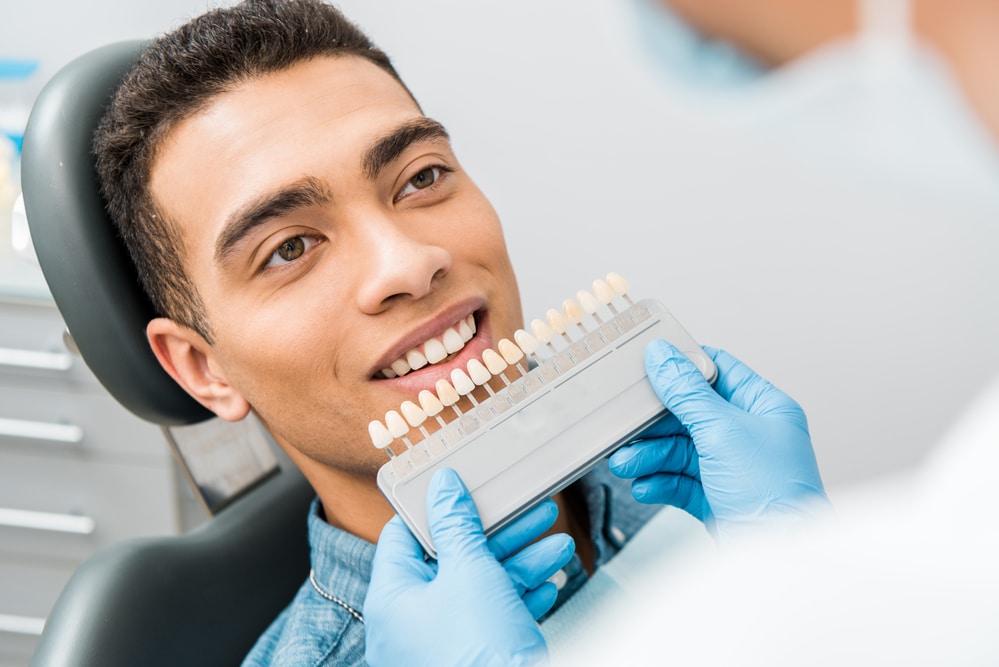
VIP Smiles Family Dentistry Syracuse, UT

VIP Smiles Dental

385-316-6386
  • Dental Services
    • Cosmetic Dentistry
      • Teeth Whitening
      • GLO Teeth Whitening
      • Dental Crowns
      • Dental Veneers
      • Cosmetic Dental Bonding
    • Restorative Dentistry
      • Dental Fillings
      • Dental Implants
      • Root Canals
      • Gum Disease
      • Tooth Extractions
      • Wisdom Teeth Removal
    • Family Dentistry
      • Dental Cleanings And Examinations
      • Dental Sealants
      • Second Opinion Dental Consultation
    • Orthodontics
      • SureSmile
      • Traditional Braces
    • Emergency Dental Care
    • VIP’s Newest Dental Technology
      • Air Abrasion
      • CariVu Infrared Cavity Detection
      • CEREC Same-Day Dental Crowns
      • DIAGNOdent Laser Cavity Detection
      • Digital Dental X-Rays
      • GLO Teeth Whitening
      • Laser Dentistry
      • Sleep Apnea Treatments
  • Patient Portal
    • Financing
  • VIP Savings Plan
  • Smile Gallery
  • Our Practice
    • Meet Our Dentists
    • Meet Our Team
    • Office Tour
    • Blog
  • Reviews
  • Contact
  • Giveaway
    • Sponsorship

Tooth Sensitivity After Whitening: Should You Be Concerned?

Home | Dentist Syracuse Utah | Page 11

If you whiten your teeth, you may experience tooth sensitivity after the fact. This can occur whether you use over-the-counter whitening products or whether you see a dentist for a professional whitening treatment. It’s only natural to be alarmed by tooth sensitivity, as it often indicates a dental problem.

Here is what you need to know about tooth sensitivity after whitening. 
tooth sensitivity after whitening

It’s Common

Tooth sensitivity after whitening is a common side effect. Said sensitivity is usually mild. You may be sensitive to hot or cold stimuli. You may also experience a dull ache.

However, you shouldn’t be in intense pain or discomfort. The sensitivity also shouldn’t last longer than a few days. If either of these are the case, this may indicate an underlying issue, such as exposed tooth roots, ill-fitting/damaged fillings, gum disease, worn-down/thinned/damaged enamel, and the like. As such, if your tooth sensitivity after whitening persists or is intense, it’s best to consult with your dentist. 

Why Are Teeth Sensitive After Whitening?

Teeth are typically sensitive after whitening due to peroxide-based products. Hydrogen peroxide and carbamide peroxide are used in whitening products, but can be damaging to enamel and gums in high doses. They can make enamel temporarily more permeable in small amounts. 

Peroxide releases free radicals when it oxidizes stains. This chemical reaction lightens teeth by cracking down on existing surface stains, but it can inflame the pulp or nerve inside the tooth, leading to sensitivity. Peroxide leaves teeth more porous after, which exposes soft dentin (a sensitive part of the tooth) and nerves. It is important to use whitening products correctly, in order to avoid damage from improper use or high doses.

Tooth enamel damage is often permanent, so you must be careful and ensure you are taking proper care of your teeth.
tooth gems bad for your teeth

Why Do Your Gums Hurt After Tooth Whitening?

Gingival irritation can result if the whitening product gets on your gums. This is also known as whitening burns. It should be temporary. It can be helped by removing excess whitening product, only using the product for the recommended amount of time, saltwater rinses, and giving your gums a break after the fact.

What Is Normal Tooth Sensitivity After Whitening?

Many people who whiten their teeth report sensitivity with air, cold foods and drinks, sweet or sour or acidic foods or drinks, and brushing. This should only last a couple of days, at most. 

Sensitivity may be influenced by tooth decay, exposed dentin, cracks, and defective/broken-down restorations. 

How To Lessen Tooth Sensitivity After Whitening

Fortunately, if you have sensitive teeth in general or you just want to lessen the amount of sensitivity you experience after whitening, there are options available to you. 

Some of the ways to lessen tooth sensitivity after whitening are as follow. 

  • Use a non-peroxide whitening treatment or a treatment specifically designed for sensitive teeth
  • Use sensitive/remineralizing toothpaste, to strengthen your teeth and address pre-existing sensitivity
  • Use desensitizing gel
  • Use desensitizing toothpaste 2 weeks before the procedure and continue to use it after, as recommended
  • Use OTC painkillers. These won’t help your teeth, but can take the edge off the sensitivity.
  • Ask about a different type of whitening treatment. Some cause more sensitivity than others. For example, you may use whitening toothpaste over whitening strips.
  • Use a lower concentration of the product
  • Decrease the amount of product in the tray
  • Remember that using more product at once won’t make teeth whiter, but will make them more sensitive.
  • Increase time between treatments
  • Take a break from treatments

After whitening, avoid hot/cold/acidic foods/drinks, use desensitizing toothpaste, and be gentle while brushing. Ensure that you use fluoride toothpaste/mouthwash to remineralize your teeth. You can drink through a straw to prevent liquid from coming in contact with your teeth, which can minimize discomfort.
bacteria in your mouth

Sensitivity from whitening should be mild and only last a couple of days. It’s best to seek professional treatment from the start, as your dentist will be able to help you achieve the best results and avoid prolonged sensitivity. Professional treatments minimize sensitivity, as it is easy for people to overuse whitening treatments or to use them improperly. Seeing a dentist eliminates this risk.

Professional Teeth Whitening In Northern Utah

VIP Smiles offers professional whitening services. We can make custom trays for you, as well as do an in-office whitening treatment. We’re here to help you maintain healthy, beautiful teeth, with as much comfort as possible. Contact us today to learn more about our cosmetic dentistry services.
Filed Under: Dentist Syracuse Utah

Here in the United States, white teeth signify good dental hygiene and increase the attractiveness of your smile. While it’s known that various foods and beverages can stain your teeth and that not taking care of your teeth will lead to them turning darker yellows and even browns, blue or grey teeth aren’t so common. 

As such, if you have blue or grey teeth, you may be alarmed and not know what this means. You may not know what to do, aside from go to the dentist. 

Here is what you need to know about common causes for blue or grey teeth and what your options for treatment are.

Blue Or Grey Teeth Can Be Natural

grey teeth

Dental trauma is the most common cause of a grey tooth. However, your teeth can also naturally be blue or grey. 

A healthy tooth can be anything from light yellow to light grey. It depends on the color of the dentin and the color of the enamel. Dentin is naturally yellow while enamel is slightly blue and translucent. Teeth can naturally change color as we age, due to enamel becoming thinner, showing more of the dentin’s color. 

Your teeth can also turn blue or grey. This can result from extrinsic stains or intrinsic stains, such as from disorders, medications, trauma, and more. 

Blue or grey teeth can be one singular tooth or all of them. Generally speaking, if all of your teeth are blue or grey, it’s likely that this is more of a cosmetic problem. This can result from staining, aging, or an issue during tooth development. You’ll still want to see your dentist regularly, to be sure you don’t have any underlying problems.

However, if one tooth turns blue or grey, this can be a sign of a serious dental problem. This is especially true if the color change happens fairly quickly. 

What Causes Blue Or Grey Teeth?

If your teeth haven’t always been blue or grey or one or two specific teeth rapidly changed color, you likely have a serious dental problem on your hands. This color change can result from a variety of factors.

Some of the causes of blue or grey teeth include:

grey teeth
  • Anything that cuts off blood flow to the tooth, resulting in tooth death.
  • Aging.
  • Restorations, especially metal showing through enamel or porcelain. This is more common with old restorations. They can be replaced for a more natural appearance. 
  • Tetracycline. This is an antibiotic and the most probable cause for children under 8. Blue or grey teeth can happen if the mother took it during pregnancy. If this is why your teeth are blue or grey, your teeth often bleach differently, so veneers or crowns may give better results
  • Dentinogenesis imperfecta. This is a hereditary disorder that weakens teeth.
  • Medications.

Your dentist will assess your teeth to determine the cause. They’ll do this with an examination and X-rays. They may also do a pulp test for necrosis.

About Dead Teeth

When your tooth pulp dies, the tooth can turn grey, purple, pink, dark yellow, or even black. This is because the degradation process of dead tissue can produce variety of colors. Dead teeth appear noticeably darker from their original color, so if you have one tooth that’s always been a bit darker than the others, that doesn’t necessarily mean it’s a problem.

Teeth can die from tooth trauma. They can also die from infection, like untreated cavities. A change in tooth color can be a sign that the tooth is dying. It can put other teeth at risk through bacteria spreading. 

Dead teeth are usually treated with root canals to remove dead pulp. If the tooth cannot be saved, it may be extracted.

A root canal won’t make a dead tooth white again because of the pigmented molecules in the hard tooth structure. As such, you can ask your dentist about internal tooth bleaching. They can do this immediately after your root canal treatment.

If you have substantial loss of your hard tooth structure, this can necessitate a crown. Dentists match the color of crowns to your existing teeth, so you will no longer have one that is blue or grey while the others are a natural color. 

white teeth desirable

Treatment Options For Blue Or Grey Teeth

While whitening is best for yellow teeth, whether or not it can help with blue or grey teeth depends on the shade and cause. If your tooth is blue or gray internally, external treatments won’t make a difference. If it’s external, whitening treatments can help. If whitening doesn’t work, your dentist may recommend other options, like veneers.

Do not ignore blue or grey teeth. Infections can be very dangerous, spreading not just to other teeth, but also to the bloodstream, brain, airway, and more.

If discoloration is your only symptom, it’s likely not an emergency. When coupled with swelling around tooth, pain, pus drainage, and the like, though, you want to seek treatment as soon as possible. This can indicate the infection has spread into the jawbone.

Even if your blue or grey tooth is not yet an emergency, it can turn into one. Don’t risk an emergency situation. See the dentist if you have a tooth that’s blue or grey for appropriate treatment.

Seeing your dentist regularly can help catch problems early on and reduce your risk of emergency situations. If you experience dental trauma, you can seek emergency dental care so that it’s treated as quickly as possible.

About Self-Treating Blue Or Grey Teeth

If you have blue or grey teeth, you may be tempted to use at-home whitening treatments. While some of these can help, you want to be careful with OTC whitening treatments. They could end up damaging your teeth due to overuse, improper use, or the ingredients in the treatment.

It’s best to get professional teeth whitening, for both safer and better results.

VIP Smiles provides professional teeth whitening services, in addition to other dental services. If you have blue or grey teeth, see us as soon as possible for treatment. We will be able to tell you whether it’s simply part of aging and provide you with whitening or whether it’s a serious problem that needs treatment as soon as possible.

Filed Under: Dentist Syracuse Utah, Blog Post

It is important for your health to learn when you should get your wisdom teeth removed. Your wisdom teeth are the last permanent teeth that will develop in your mouth. Sometimes referred to as third molars, wisdom teeth typically come anytime from age 17-25. However, for many people, wisdom teeth will become “impacted,” which means that they have either grown in at a strange angle or do not have enough room to grow in properly. It is essential to get your wisdom teeth removed when they become impacted. It can be difficult to determine whether you have an impacted wisdom tooth. Continue reading to learn about when you should get your wisdom teeth removed.

When To Get Your Wisdom Teeth Removed

Jaw Pain

One of the first indicators that it may be time to get your wisdom teeth removed is that you are experiencing a lot of jaw pain. If you are feeling persistent jaw pain, you may be experiencing problems with your jawbone, including infections and tooth decay. However, wisdom teeth can also be to blame for jaw pain. Typically when your wisdom teeth are coming in or when they are hitting against other teeth, they will cause pain in your mouth and stiffness in your jaw. That is why it is important to see a qualified dentist if you are experiencing jaw pain.

Swelling/Crowded Feeling

As previously mentioned, when your wisdom teeth are coming in, they may grow in at a strange angle. If this happens, your mouth will begin to feel crowded as your teeth press too close to one another. This will cause swelling and inflammation in your mouth and jaw. This uncomfortable feeling is a good sign that you should see a dentist and that it is time to get your wisdom teeth removed.

when to get your wisdom teeth removed

Bad Breath

Other symptoms that you should pay attention to are bad breath and sinus problems. Bad breath can be caused by a variety of things, but if you have an impacted wisdom tooth, you will likely also have bad breath. Food and other debris can get stuck in between your impacted wisdom teeth, which can cause a foul smell. Sugary food can also cause cavities, which are the first showings of tooth decay. Tooth decay is harmful to your mouth’s overall health and can cause bad breath.

Sinus Issues

An interesting indicator that it is time to get your wisdom teeth removed is that in addition to the previous issues, you are also experiencing sinus problems. Impacted wisdom teeth can grow into your sinuses, causing pain, pressure, and congestion. If you are experiencing any of these issues, reach out to your dentist immediately.

Your Dentist Tells You It Is Time

If you or your child are anywhere from 17 to 25 years of age, your dentist will likely be on the lookout for signs of wisdom teeth growth. Your dentist has technology and expertise that can help them see if your wisdom teeth have room to grow and if they are growing in correctly. It is always important to practice good oral health and see your dentist at regular intervals, but it is extra

Do You Need To Get Your Wisdom Teeth Removed?

If you are in need of wisdom teeth removal services, feel free to reach out to us at VIP Smiles. We offer top-of-the-line services from general dentistry to restorative dentistry to orthodontics. We also specialize in tooth extractions and wisdom teeth removal services. Our team is experienced, talented and knowledgeable, meaning that when you trust us with your smile, you will not be disappointed. For more information or to get in touch with one of our dental assistants, feel free to reach out to us today.

Filed Under: Dentist Syracuse Utah

  • « Previous Page
  • 1
  • …
  • 9
  • 10
  • 11
  • 12
  • 13
  • …
  • 33
  • Next Page »

Hours

Monday 8AM–5PM
Tuesday 7AM–4PM
Wednesday 8AM–5PM
Thursday 7AM–4PM
Friday 7AM–3PM
Saturday Closed
Sunday Closed

Services

Cosmetic Dentistry Restorative Dentistry Family Dentistry Orthodontics Emergency Dentistry Dental Technology

Quicklinks

Directions Appointments Contact Blog About

Address

780 S 2000 W Suite F-1,
Syracuse, UT 84075

Follow Us

Facebook - VIP Smiles YouTube - VIP Smiles Yelp - VIP Smiles

Directions

Call Us

(385) 316-6386

Contact Us

"*" indicates required fields

This field is for validation purposes and should be left unchanged.
Consent*
By checking this box, I consent to receive transactional messages related to my account, orders, or services I have requested. These messages may include appointment reminders, order confirmations, and account notifications among others. Message frequency may vary. Message & Data rates may apply. Reply HELP for help or STOP to opt-out.
Consent*
By checking this box, I consent to receive marketing and promotional messages, including special offers, discounts, new product updates among others. Message frequency may vary. Message & Data rates may apply. Reply HELP for help or STOP to opt-out.

2026VIP Smiles Dental | All Rights Reserved | Privacy Policy | Accessibility Statement | Anti-Discrimination | HIPAA Privacy Policy | Healthcare Disclaimer | Terms | XML Sitemap | Sitemap | Site by PDM