VIP Smiles Family Dentistry Syracuse, UT

VIP Smiles Dental

385-316-6386
  • Dental Services
    • Cosmetic Dentistry
      • Teeth Whitening
      • GLO Teeth Whitening
      • Dental Crowns
      • Dental Veneers
      • Cosmetic Dental Bonding
    • Restorative Dentistry
      • Dental Fillings
      • Dental Implants
      • Root Canals
      • Gum Disease
      • Tooth Extractions
      • Wisdom Teeth Removal
    • Family Dentistry
      • Dental Cleanings And Examinations
      • Dental Sealants
      • Second Opinion Dental Consultation
    • Orthodontics
      • SureSmile
      • Traditional Braces
    • Emergency Dental Care
    • VIP’s Newest Dental Technology
      • Air Abrasion
      • CariVu Infrared Cavity Detection
      • CEREC Same-Day Dental Crowns
      • DIAGNOdent Laser Cavity Detection
      • Digital Dental X-Rays
      • GLO Teeth Whitening
      • Laser Dentistry
      • Sleep Apnea Treatments
  • Patient Portal
    • Financing
  • VIP Savings Plan
  • Smile Gallery
  • Our Practice
    • Meet Our Dentists
    • Meet Our Team
    • Office Tour
    • Blog
  • Reviews
  • Contact
  • Giveaway
    • Sponsorship

Get the Facts Straight About Malocclusion

Home | Dentist Syracuse Utah | Page 4

When your teeth don’t fit together properly, it’s not just cosmetic concern; it can also have a significant impact on your overall oral health. In this blog post, we’ll cover the causes and symptoms of malocclusion, treatment options, and prevention strategies.

malocclusion

What Is Malocclusion?

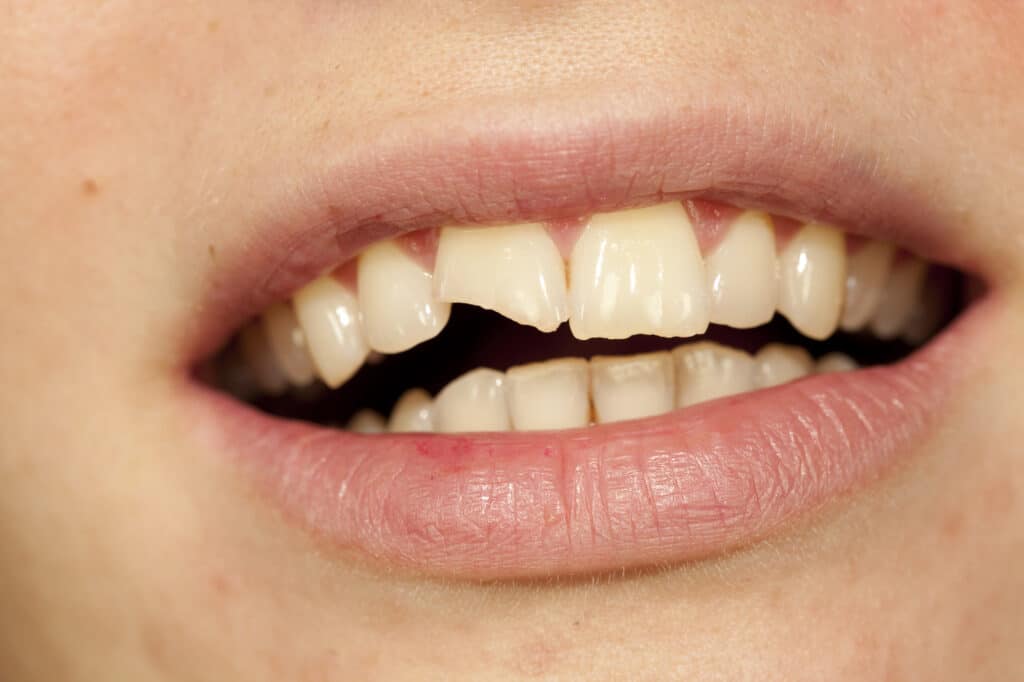
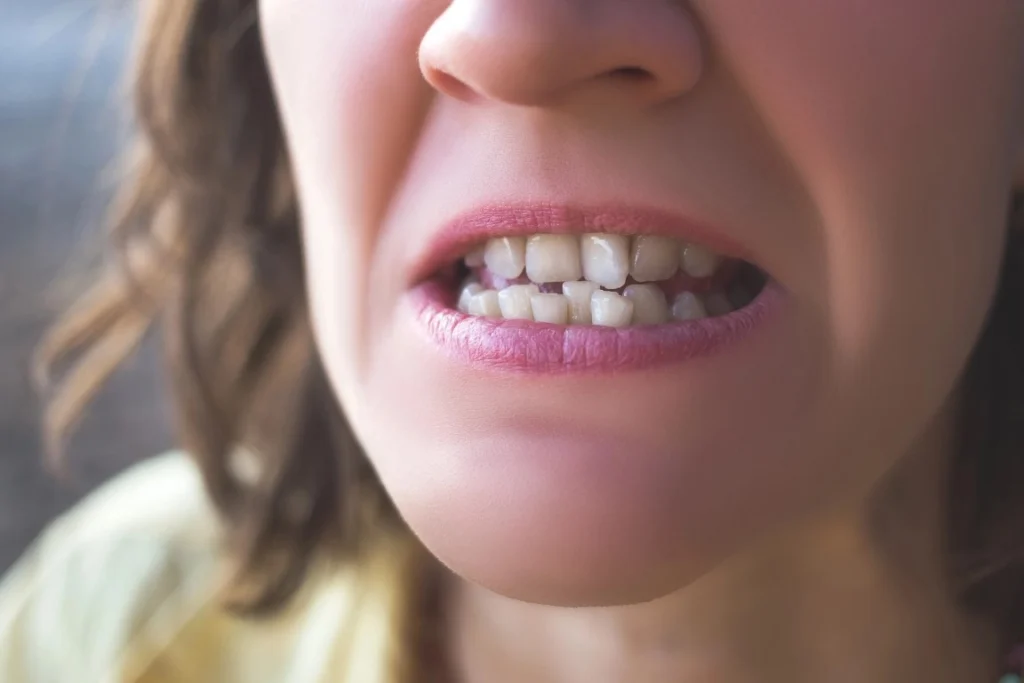
Malocclusion refers to the misalignment of teeth and/or an improper bite. This means the upper and lower teeth don’t fit together properly when the mouth is closed. It’s often caused by crowded or crooked teeth or a misalignment in the upper and lower jaws. 

This condition is classified based on its severity:

  • Class I: Normal bite and minor misalignment of teeth
  • Class II (Overbite/Retrognathism): Upper teeth protrude over lower teeth
  • Class III (Underbite/Prognathism): Lower teeth protrude past upper teeth

Other types include a crossbite, which is when the upper and lower teeth don’t align properly, and an open bite, which is when the upper and lower front teeth don’t touch when the mouth is closed. There’s also the overjet, which most people refer to as “buck teeth,” which refers to the upper front teeth protruding further than they should. 

Common symptoms include:

  • Crooked, overlapping, or misaligned teeth
  • Difficulty biting or chewing food
  • Speech difficulties (such as lisping)
  • Jaw pain or discomfort

Causes of Malocclusion

There are many possible causes of malocclusion. If you have a family history of the condition, you’re more likely to have misaligned teeth or jaws. Jaw abnormalities and developmental issues can also increase your risk of this condition. 

Childhood habits such as thumb-sucking, prolonged pacifier use, and tongue thrusting can also play a role, as can poor dental hygiene and a lack of oral healthcare. Finally, tooth loss, extra teeth, or impacted teeth can cause the teeth to shift, leading to a misaligned bite. 

Diagnosing Malocclusion

Around 56 percent of people worldwide have some degree of malocclusion, whether mild, moderate, or severe. This is part of the reason why regular dental checkups are so important. Dentists and orthodontists can diagnose malocclusion through thorough visual exams, X-rays, dental impressions, and digital scans. When you understand what the problem is, you can seek effective treatment options to align your smile. 

Treatment Options and Early Prevention

At VIP Smiles, we’re committed to providing exceptional treatment for malocclusion. However, not all cases require treatment — we can help you determine which treatments, if any, are ideal for your unique needs. 

Orthodontic Solutions

malocclusion

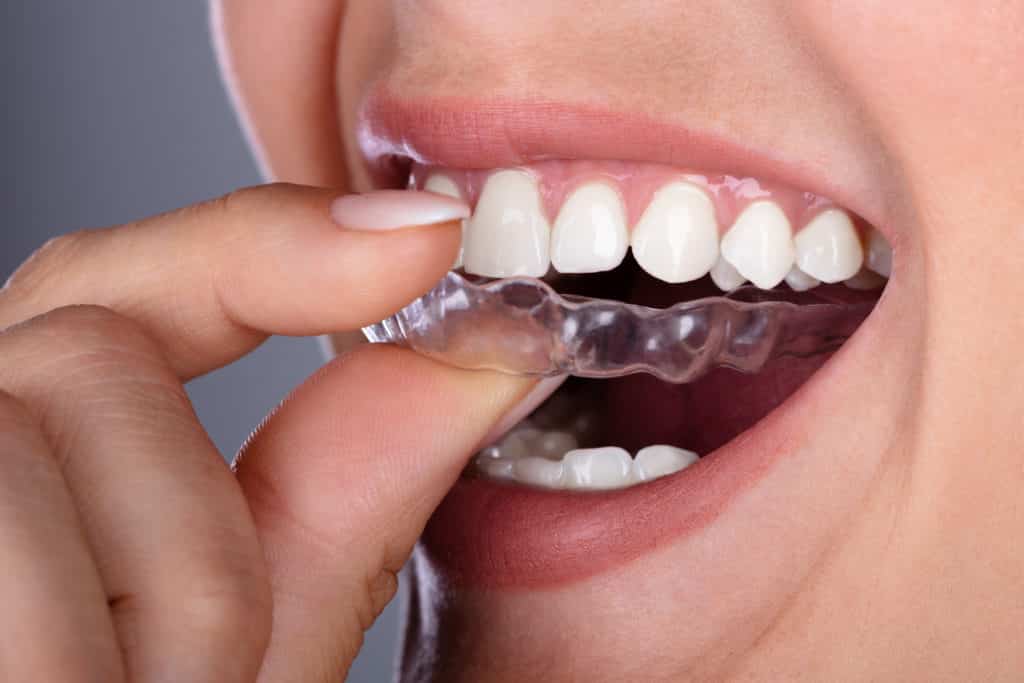
Orthodontic treatments are among the most common solutions for malocclusion. At VIP Smiles, we offer both traditional braces and clear SureSmile aligners. 

SureSmile aligners are a great option for those who prefer a streamlined, unobtrusive approach to orthodontics. It involves a series of clear plastic aligners designed to gradually move your teeth into their proper positions. The custom-made appliances are comfortable and removable, making it easier to keep your teeth clean throughout treatment. 

However, there are certain cases in which traditional braces are necessary to achieve the desired results. This tried-and-true orthodontic solution is ideal for more severe cases of malocclusion and is often used in conjunction with palate expanders to widen the upper jaw. 

Dental Procedures and Surgical Treatments

Sometimes, the mouth just isn’t big enough to comfortably fit all the teeth, leading to overcrowding. In these cases, tooth extraction may be necessary. Corrective jaw surgery is another procedure that can help bring the jaws and teeth into their proper alignment. 

Minor malocclusion doesn’t typically require treatment; however, some people opt for cosmetic procedures to improve their smile’s aesthetics. Dental bonding, veneers, and crowns are minimally invasive procedures that can improve the shape and appearance of the teeth, helping you smile more confidently.

Behavioral and Preventive Measures

There are things you can do at home to help your child’s teeth develop properly. Work on breaking habits like thumb-sucking and overly relying on pacifiers, as these things can affect the alignment of their developing teeth. Furthermore, try to instill in them the value of proper oral hygiene, helping them build good habits that will last a lifetime. 

Potential Complications

Left untreated, malocclusion can lead to an increased risk of cavities and gum disease, TMJ disorders, chronic headaches, facial pain, and self-esteem issues due to appearance. That’s why it’s important to schedule regular checkups with your dentist to ensure your teeth are exactly where they’re supposed to be. 

malocclusion

We Can Help You Align Your Smile 

If you’re battling malocclusion, don’t let it dim your smile any longer — contact VIP Smiles today to schedule an appointment and learn more about how we can help you achieve the dazzling smile you’ve always wanted. 

Filed Under: Dentist Syracuse Utah

avoid dental implant failure

Dental implants are an excellent option for those with missing teeth. They look, feel, and function just like your natural teeth, making them a popular choice for smile restoration. While implants have high success rates — around 95 to 98 percent — there’s still the risk of dental implant failure.

At VIP Smiles, we want you to have the tools you need to make the right choices about your oral health. Although the likelihood of dental implant failure is low, it’s still important to be aware of the risks before you make your final decision. That’s why we’re presenting this guide to dental implant failure, including its causes, symptoms, and how to prevent it. 

What Is Dental Implant Failure?

Dental implants consist of a titanium post that’s implanted into the jawbone to support the prosthetic tooth. For the implant to be successful, the post must integrate with the jawbone. If this integration doesn’t occur or the implant loses stability after integration, it’s known as dental implant failure. 

There’s two types of dental implant failure. Early failure happens within months of the implants being placed, and late failure occurs after years have passed. 

Causes of Dental Implant Failure

When discussing the causes of dental implant failure, it’s important to differentiate between early and late failure. 

avoid dental implant failure

Early Implant Failure

Early implant failure can occur due to poor osseointegration, which is when the implant fails to fuse with the bone. It can also be the result of surgical complications like improper implant placement or infection at the implant site (known as peri-implantitis). 

Those with certain pre-existing medical conditions, such as diabetes and autoimmune diseases, may not be good candidates for dental implants, as they can lead to early implant failure.

Late Implant Failure

The causes of late implant failure — with the exception of peri-implantitis and gum disease — are typically different from those of early implant failure. It can occur when there’s excessive pressure on the implant due to grinding or a misaligned bite, bone loss around the implant, systemic health issues, or other lifestyle factors like smoking.

Risk Factors for Dental Implant Failure

The following risk factors can make dental implant failure more likely to occur:

  • Poor oral hygiene, which can cause gum disease and infection
  • Smoking and tobacco use
  • Chronic health conditions that can affect oral health, including osteoporosis and diabetes
  • Insufficient bone density or quality
  • Inexperienced surgeon or improper procedure

Symptoms of a Failing Dental Implant

If you have dental implants, whether they were placed last month or last decade, it’s important to be aware of the signs of dental implant failure. Be on the lookout for:

  • Persistent pain or discomfort around the implant site
  • Mobility or looseness of the implant
  • Swelling, redness, or infection near the implant site
  • Difficulty chewing or biting
  • Unusual sensations or numbness

If you experience any of these symptoms, it’s a good idea to schedule an appointment with your dentist. Early intervention is key to preventing failure and keeping your smile intact, so don’t wait to address issues until it’s too late.

What to Do if a Dental Implant Fails

Sometimes, despite your best efforts, dental implants can fail due to factors outside your control. The good news is that dental implant failure doesn’t mean you’ll be stuck with missing teeth for the rest of your life — there are things you can do to restore your smile.

First, seek immediate attention from a dental professional. They can evaluate the situation and determine the best course of action, whether it’s removing the implant and grafting new bone for reimplantation or opting for an alternative solution like bridges and dentures. 

avoid dental implant failure

Preventing Dental Implant Failure

Now that you know what to do if an implant fails, let’s discuss how to prevent this issue in the first place, starting with choosing a qualified dental professional. Experienced providers have the skills and knowledge to ensure proper placement and successful outcomes. 

Once your implants have been placed, you must maintain excellent oral hygiene and follow all post-operative care instructions, along with attending regular check-ups to monitor the health of your implants. Take care of your overall health and manage any chronic conditions. Avoid smoking. 

Quality Dental Implants from VIP Smiles

At VIP Smiles, we’re proud to offer quality dental implants to restore your smile. If you’re considering implants, contact us today to schedule an appointment. We’d love to discuss your needs and determine whether implants are a good fit for you. With some help from our expert team, you can achieve the dazzling smile you’ve always dreamed of.

Filed Under: Dentist Syracuse Utah

dentures

Missing teeth don’t just make it hard to eat and speak — they also impact your confidence, affecting your ability to present the best version of yourself to the world. Fortunately, there are many options out there for tooth replacement, including dentures and implants. But how do you know which is best for you?

Selecting between these two options is a significant choice that should not be taken likely. Both options have their benefits and drawbacks, and it’s essential to understand them so you can make an informed decision. 

In this blog post, we’ll compare dentures and implants, present important factors to consider, and give tips to help you make the right choice for your smile restoration. 

Overview of Dentures

Dentures are a traditional solution for missing teeth. They consist of a gum-colored base (usually made of an acrylic material) attached to faux teeth and rely on the palate or jawbone for support.

There are many types of dentures out there. Full dentures replace an entire arch, while partial dentures replace a group of teeth. There are even implant-retained and implant-supported dentures, which combine the two solutions.

Benefits

One of the biggest advantages of dentures is the lower upfront cost compared to dental implants. The installation process does not require surgery, making them a less invasive, more comfortable alternative to implants. They are also suitable for patients with weaker jawbones who may not be candidates for implants.

Drawbacks

However, because they’re not anchored to the jawbone, dentures typically require adhesives and frequent adjustments. They can slip and slide around the mouth, causing discomfort while eating and speaking. Plus, they may wear out over time, requiring replacement.

dentures vs implants

Overview of Dental Implants

Implants can replace a single tooth, multiple teeth, or an entire arch. They consist of a screw-like titanium post that’s surgically placed into the jawbone as a replacement for the tooth root. The post acts as an anchor for the crown, which is specially crafted to mimic the shape and color of your natural teeth. 

Benefits

The most significant benefit of dental implants is that they feel, function, and look like natural teeth. They’re incredibly durable, and with proper care, can last a lifetime. They can also benefit your oral health by stimulating the jawbone and preventing bone loss. 

Drawbacks

Dental implants come with a higher initial cost than dentures, though, making them less suitable for patients on a budget. They also require good bone density for support, so those who have been missing teeth for a long time may not have enough bone left. Plus, the installation involves a surgical procedure, which means a longer recovery period.

Key Factors to Consider

For many patients with missing teeth, the most important factor in their decision is the cost. Depending on your personal needs, implants may be significantly more expensive than dentures. However, dentures are more likely to need repairs or replacement at some point, potentially making implants the less costly option.

Your oral health is another key factor that determines your eligibility for either option. Your jawbone needs stimulation through chewing and speaking, and when teeth are missing, the bone can deteriorate. That means that if you lost your tooth a long time ago, the jawbone may not be dense enough to support an implant. 

Your lifestyle can also affect your decision. Dentures require more maintenance — daily cleaning, adhesives, and professional adjustments by your dentist. Many people find them to be uncomfortable, as they can slip out of place relatively easily. This means that implants are typically better for those who value convenience and ease of maintenance.

The final factor to consider is the time involved in each process. From fittings to healing, implants can be a significant time commitment. If you’re not willing to invest that much time, implants may not be the best choice for you. 

implants vs dentures

How to Make the Right Choice

Whichever option you’re leaning towards, it’s important to consult with your dentist for expert advice. At VIP Smiles, we’ll take into account your budget, whether you’re comfortable with surgery, and your desired long-term outcome. With the help of X-rays and other diagnostics, we can confidently determine your eligibility for implants.

Quality Implants at VIP Smiles

At VIP Smiles, we understand that missing teeth can have a significant impact on your quality of life. If you’re considering restorative dentistry, schedule an appointment at VIP Smiles to consult with one of our expert dentists and get solutions tailored to you. 

Filed Under: Dentist Syracuse Utah

  • « Previous Page
  • 1
  • 2
  • 3
  • 4
  • 5
  • 6
  • …
  • 33
  • Next Page »

Hours

Monday 8AM–5PM
Tuesday 7AM–4PM
Wednesday 8AM–5PM
Thursday 7AM–4PM
Friday 7AM–3PM
Saturday Closed
Sunday Closed

Services

Cosmetic Dentistry Restorative Dentistry Family Dentistry Orthodontics Emergency Dentistry Dental Technology

Quicklinks

Directions Appointments Contact Blog About

Address

780 S 2000 W Suite F-1,
Syracuse, UT 84075

Follow Us

Facebook - VIP Smiles YouTube - VIP Smiles Yelp - VIP Smiles

Directions

Call Us

(385) 316-6386

Contact Us

"*" indicates required fields

This field is for validation purposes and should be left unchanged.
Consent*
By checking this box, I consent to receive transactional messages related to my account, orders, or services I have requested. These messages may include appointment reminders, order confirmations, and account notifications among others. Message frequency may vary. Message & Data rates may apply. Reply HELP for help or STOP to opt-out.
Consent*
By checking this box, I consent to receive marketing and promotional messages, including special offers, discounts, new product updates among others. Message frequency may vary. Message & Data rates may apply. Reply HELP for help or STOP to opt-out.

2026VIP Smiles Dental | All Rights Reserved | Privacy Policy | Terms | XML Sitemap | Sitemap | Site by PDM